
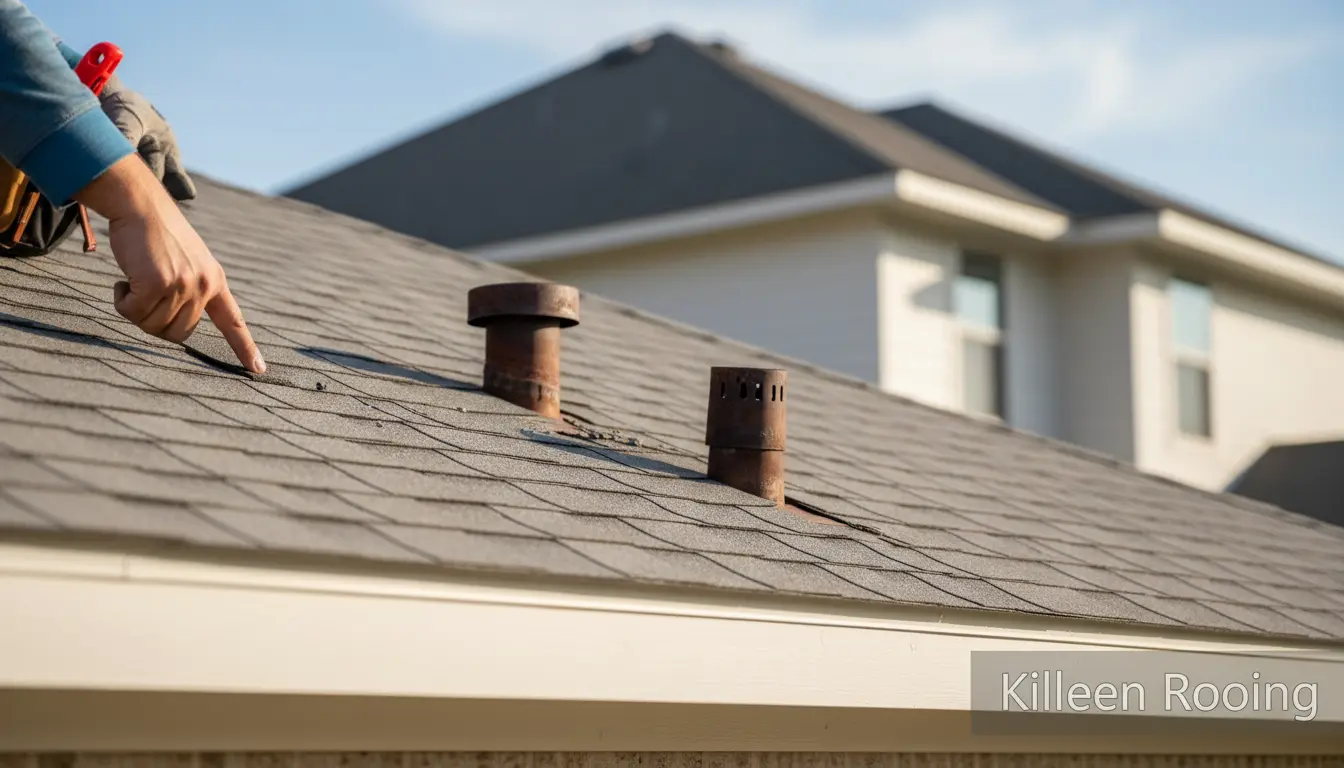
Living in Killeen, Texas, means dealing with intense heat, sudden hailstorms, and heavy rains that can take a toll on your roof. As a homeowner, ignoring subtle warnings can lead to costly damages, water intrusion, and even structural issues. At Killeen Roofing, we’ve seen it all—from minor leaks turning into major headaches to roofs failing during peak storm season. If you’re wondering whether it’s time to call in the pros, this guide breaks down the top five signs that demand immediate attention. Spotting these early can save you thousands and keep your family safe. Let’s dive in and ensure your roof stands strong against Killeen’s unpredictable weather.
1. Visible Leaks and Water Stains
One of the most obvious indicators that your roof is in trouble is water making its way inside your home. If you notice damp spots on your ceiling, walls, or attic insulation, it’s a red flag. In Killeen, where afternoon thunderstorms are common, even a small hole can lead to widespread water damage.
How to Spot and Address Leaks
- Check for stains: Look for dark, discolored patches on interior surfaces, especially after rain. These often appear in attics or upper rooms.
- Inspect the exterior: Climb a ladder (safely!) or use binoculars to scan for damaged shingles or flashing around chimneys and vents.
Practical tip: Don’t just patch it yourself—improper fixes can worsen the problem. Instead, contact Killeen Roofing’s emergency repair team for a thorough assessment. Acting fast prevents mold growth, which thrives in our humid Central Texas climate.
In nearby areas like Harker Heights, we’ve repaired countless roofs battered by similar weather patterns. If your home shows these signs, don’t wait for the next downpour.
2. Missing or Damaged Shingles
Shingles are your roof’s first line of defense, but Killeen’s high winds and hail can loosen or blow them off. If you see bare spots or curling, cracked shingles, your roof’s integrity is compromised, allowing moisture to seep in.
Identifying Shingle Damage
- Granule loss: Check your gutters for gritty buildup—this is the protective coating wearing off, a sign of aging.
- Curling edges: Warped shingles indicate UV damage from our scorching summers.
Actionable advice: Perform a quarterly roof walk-around, especially post-storm. If damage is extensive, consider a full roof replacement to avoid patchwork solutions that fail quickly. Killeen Roofing uses durable materials suited for Texas conditions, ensuring longevity.
Local insight: Fort Hood’s training exercises sometimes stir up dust storms that accelerate shingle wear. Homeowners in surrounding spots like Harker Heights often face the same issues—reach out to our local roofing specialists in Harker Heights for tailored advice.
3. Sagging Roof Deck or Structure
A sagging roofline isn’t just unsightly; it’s a structural warning. This happens when the underlying decking weakens from rot, pests, or prolonged water exposure. In Killeen, where termites are prevalent, this can escalate quickly.
Signs of Structural Issues
- Uneven roof appearance: From the ground, does it dip in the middle? That’s a serious concern.
- Attic creaks: Listen for unusual noises or feel for soft spots underfoot in the attic.
What to do: Never ignore this—sagging can lead to collapse under heavy rain or snow (rare but possible). Schedule an inspection immediately. Our team at Killeen Roofing employs advanced tools like thermal imaging to detect hidden weaknesses without invasive measures.
Pro tip: Reinforce your roof’s health by trimming overhanging branches that rub against shingles during windy Killeen evenings. For comprehensive solutions, explore our roof replacement options designed for local homes.
4. Granules in Gutters and Increased Energy Bills
Finding a pile of colorful granules in your gutters? That’s your shingles shedding their protective layer, exposing the roof to faster deterioration. Coupled with spiking utility bills, this points to poor insulation from roof inefficiencies.
Diagnosing Granule Loss and Efficiency Drops
- Gutters check: After rain, inspect for asphalt granules—it’s like your roof is balding.
- Energy audit: If AC runs overtime in Killeen’s 100°F+ heat, heat might be escaping through a compromised roof.
Practical steps: Clean gutters regularly to monitor this issue, and seal any gaps around vents. For lasting fixes, Killeen Roofing recommends energy-efficient roofing materials that cut cooling costs by up to 20%. If you’re in Harker Heights, our Harker Heights roofing services address these exact problems with customized plans.
Bonus advice: Combine roof repairs with attic ventilation upgrades to combat Killeen’s humidity and prevent granule acceleration.
5. Mold, Algae, or Moss Growth
Dark streaks or green patches on your roof aren’t just cosmetic—they signal trapped moisture, often from clogged valleys or poor drainage. In our subtropical climate, this fosters mold that eats away at roofing materials.
Spotting and Preventing Growth
- Visual cues: Moss thrives in shaded areas; algae appears as black streaks.
- Odor test: Musty smells from the attic indicate underlying moisture issues.
How to act: Use gentle cleaners for minor spots, but for pervasive growth, professional treatment is key. Killeen Roofing applies anti-microbial treatments during repairs to safeguard against recurrence. Don’t delay—mold can infiltrate your home, affecting health.
Local note: Killeen’s proximity to rivers increases humidity, making this a common foe. We’ve helped neighbors in Harker Heights with similar roof maintenance needs, restoring roofs to pristine condition.
Why Killeen’s Weather Demands Vigilance
Central Texas weather is notorious for its extremes: scorching summers that bake shingles, hail from spring storms, and torrential rains that test drainage. Ignoring roof signs here isn’t just risky—it’s expensive. The average Killeen homeowner spends over $10,000 on emergency repairs after delays. By recognizing these top five signs early, you invest in peace of mind.
Seasonal Maintenance Tips for Killeen Homes
- Spring: Post-hail inspection to catch granule loss.
- Summer: Ensure vents are clear to avoid heat buildup.
- Fall/Winter: Check for storm debris that clogs systems.
Incorporate these into your routine, and pair with annual professional checks from Killeen Roofing. For broader protection, learn about our comprehensive roof replacement services that withstand local challenges.
FAQ: Common Questions About Roof Repairs in Killeen
1. How often should I inspect my Killeen roof?
We recommend bi-annual inspections, plus after major storms. Killeen Roofing offers free visual checks to catch issues early.
2. What causes most roof problems in Killeen?
Extreme heat, hail, and high winds are culprits. Poor maintenance exacerbates them, leading to the signs we’ve discussed.
3. Can I repair minor shingle damage myself?
For small fixes, yes, but consult pros for safety. Extensive damage requires expert roof replacement to ensure warranty compliance.
4. How much does urgent roof repair cost in Killeen?
Costs vary from $500 for patches to $15,000+ for full replacements. Get a free quote from Killeen Roofing for accurate pricing.
5. Does insurance cover roof repairs after storms?
Often yes, especially for hail damage common in Killeen. Our team assists with claims to maximize your coverage.
Conclusion: Protect Your Killeen Home Today
Your roof shields your most valuable asset—your home and loved ones—from Killeen’s harsh elements. By heeding these top five signs—leaks, damaged shingles, sagging, granule loss, and growth—you can prevent disasters and extend your roof’s life. At Killeen Roofing, we’re committed to serving our community with reliable, high-quality repairs tailored to local needs.
Don’t wait for the next storm to strike. Contact Killeen Roofing now for a complimentary inspection and personalized repair plan. Safeguard your investment—schedule your appointment today at killeenroofing.com or call (254) 555-ROOF. Your peace of mind starts with a strong roof.